It’s a bright morning in Tucson. Your child is curious but hesitant, watching the water. That mix of excitement and worry hits every parent. You want them to feel confident, grow, and enjoy themselves. Swim lessons for kids with disabilities are designed to do just that. They are not just about learning strokes; they are about courage, small victories, and watching your child shine in ways you did not expect.
What Programs Teach Children With Special Needs to Swim Safely in Tucson?
The first step is simply finding the right place. Every child is unique, so it matters to choose carefully. Some kids do best in small, one-on-one sessions, while others enjoy a group setting with extra support. Check out a few facilities, ask about the instructors, and watch a lesson or two. It can make a huge difference.
Understanding Individual Needs
Once you’ve picked a program, the next step is really getting to know your child’s needs. Adaptive lessons are designed around each child, helping them stay safe, build strength, and gain confidence in the water. Some instructors use warm water, sensory toys, or repeating routines so kids with autism, cerebral palsy, or other conditions can get used to the water at their own pace.
Ways to Support Progress
Helping your child doesn’t end when the lesson is over. Small daily actions and lots of encouragement can really strengthen their skills and boost confidence. Here are some ways parents can get involved.
- Celebrate Every Small Win: Did they put their face in the water? Kick a few strokes? Cheer them on, clap, and let them feel proud of themselves. Small milestones matter as much as big ones.
- Practice Outside the Pool: Simple activities, like blowing bubbles or stretching arms and legs, help get them ready for moving in the water.
- Maintain a Routine: Children thrive on predictability. Keeping practice days consistent helps them feel at ease and excited about the water.
- Communicate Positively: Focus on effort, not just outcomes. Positive words make a big difference in building confidence.
You May Like: How Swimming Helps Children with Disabilities Thrive in Tucson
Tools and Techniques That Make a Difference
Adaptive swim lessons are more than just floating and kicking. With the right tools, strategies, and flexibility, these lessons really work. Some practical ways to do this are:
- Visual Aids: Use cards, videos, or step-by-step demonstrations to explain movements. Using visuals can make it easier for children with cognitive difficulties to understand.
- Playful Learning: Lessons can be games too. Simple things like rings, gentle splashes, or songs can make the pool a fun place instead of a scary one.
- Sensory Integration: Go step by step. Begin with just touching the water with hands or feet before putting their head in.
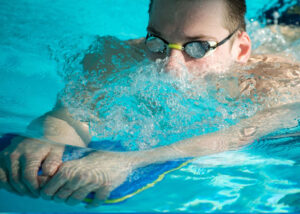
- Adaptive Equipment: Kickboards, flotation belts, or noodles can provide support and independence.
These techniques make lessons enjoyable, reduce anxiety, and encourage your child to try new things confidently.
Safety and Confidence Go Hand in Hand
Safety really is where everything starts. Before a lesson, just take a minute to remind your child about the basic pool rules and where they should stay. Stay close. Watch how they’re feeling. If they look tired or overwhelmed, pause. A short break can make a big difference. Swimming should feel safe first, fun second.
Confidence doesn’t happen all at once. It builds slowly. One small win at a time. Maybe today it’s floating for a few seconds without help. Maybe it’s swimming a little farther than last week. Those moments matter. Small victories build on each other, and soon your child will notice how much they’ve accomplished.
Questions To Ask
Exploring adaptive swim lessons in Tucson can leave parents wondering about a few things. Understanding the basics helps you feel prepared.
- Where can I find swimming lessons for children with disabilities in Tucson?
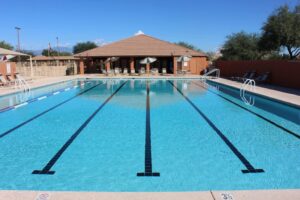
Explore community centers and pools that have adaptive swim lessons. In Tucson, Saguaro Aquatics is worth checking out. Spend some time visiting, watching, and asking questions to make sure it feels right.
- How much do adaptive private swimming lessons for kids cost in Tucson?
Lesson costs vary depending on things like duration, instructor experience, and what equipment is used. Private lessons tend to be pricier than group classes, but they offer personalized support.
- Where in Tucson can children with special needs learn to swim safely?
Check out programs with small class sizes, trained instructors, and clear safety procedures. Make sure to ask how much experience they have with your child’s particular needs.
- Are there individualized swimming lessons for kids with physical or mental disabilities near me?
Many programs offer one-on-one lessons. These sessions are highly effective for kids who need more focus or specialized techniques.
- Which swimming schools in Tucson offer adaptive lessons for children with disabilities?
Search online directories, ask for parent recommendations, or contact local support organizations to discover schools with proven adaptive programs.
Supporting Your Child Every Step of the Way
Helping your child succeed in adaptive swim lessons is a partnership between parents, instructors, and the child. Celebrate victories, stay patient, and provide encouragement outside the pool. Share your excitement about progress, no matter how small, and always make lessons a positive, enjoyable experience.
If you are in Tucson, Saguaro Aquatics provides tailored swim lessons for kids with disabilities. Our experienced instructors and welcoming environment make it easier to start, continue, and enjoy the swimming journey with confidence. Reach out to them today to see how they can support your child’s growth and enjoyment in the water.
Frequently Asked Questions
- How do adaptive swim lessons help children with disabilities?
They build water confidence, strength, and skills through personalized instruction and supportive techniques.
- What should I look for when choosing a program in Tucson?
Look for small class sizes, certified instructors, safety protocols, and experience with your child’s specific needs.
- Can I support my child’s progress outside the pool?
Yes. Daily practice, positive encouragement, and celebrating small wins all help reinforce skills and confidence.