
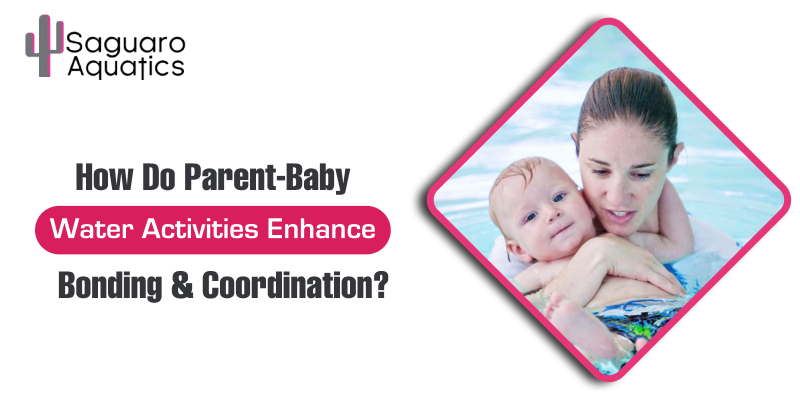
That first pool experience isn’t really about swimming at all. Baby swim classes give parents and babies a chance to move together, laugh, and slowly feel safe in the water. Those moments end up meaning more than you expect.
Water has a way of slowing things down. Phones stay away. Distractions fade. Parents stay right there with their baby, holding them close and reacting to every little kick, smile, or splash. Spending time like this helps babies feel protected and confident, which makes exploring feel easier and more natural.
Building Trust Starts with Safety
Safety comes first for parents, even before the bonding or the fun begins. That usually leads to one important question: What are the safety standards and certifications required for baby swim instructors at local pools?
Certified instructors know how to work with babies in the water. They know how they react when they’re in the water, how to support their small bodies the right way, and how to keep each session calm and well-controlled. Parents can relax and just enjoy time with their kid.
Getting Started at the Right Age
So, at what age can babies safely start swim sessions, and how do local programs adapt to different age groups?
Baby swim programs are made to fit each stage of a baby’s growth. Little infants enjoy gentle floating and parent-supported movements, while older babies might start reaching for toys, kicking on purpose, or following simple cues.
As babies grow, activities change to keep things fun and easy to manage. Taking things step by step helps babies feel confident and coordinated, rather than rushed.
Tiny Splash, Big Development
All that splashing, kicking, and floating in the water can make you wonder: What are the benefits of baby swim sessions in terms of motor skills, bonding, and water confidence? The truth is, babies gain far more than just swimming skills.
Babies move differently in water than they do on land. The water gives gentle resistance that helps them build strength, balance, and coordination, and being close to a parent makes them feel secure.
Here are a few ways water activities support development:
- Gentle kicking and floating help babies grow stronger through their core
- Reaching for toys helps with coordination and understanding their body
- Eye contact, touch, and shared smiles help deepen the bond
Every class combines learning and bonding without feeling forced. Over time, babies not only build motor skills but also gain confidence and feel comfortable in the water.
Have A Look At: Breaking Myths About Swim Baby and Infant Lessons
Clean Water, Happy Parents
Hygiene is another top concern for families, especially with infants. That’s why it’s important to ask, “How do facilities near me ensure hygiene and water quality for infant swim classes?”
Pools for baby swimming programs stick to strict cleaning routines. The water is checked regularly, temperatures are set for infant comfort, and all equipment gets cleaned between sessions.
It lets parents chill and enjoy time with their baby without worrying about the pool.
Costs, Schedules, and Availability
It’s worth looking at these details before you commit to a program. Check what are the costs, schedules, and availability of baby swim sessions at nearby centers.
Most programs are set up to fit around your baby’s naps and feedings. With different session lengths and ways to enroll, families can pick what works best for them.
When it’s easy to attend classes, babies get plenty of practice and begin feeling safe, confident, and comfortable in the pool.
Why Parents See Real Changes Over Time
Babies pick up confidence slowly, one small win at a time. Some of those moments might look like:
- Your baby relaxing in the water for the first time
- You learning the best way to support them
- A few giggles and smiles after finishing a little activity
These little wins add up. Focusing on trust, play, and together time, baby swim classes let families make happy memories while building coordination and confidence step by step.
Confidence That Extends Beyond the Pool
Swimming with your baby does more than teach water skills. Babies who feel safe in the water often try new things on land with more confidence.
Parents often notice their babies growing more aware, more connected, and calmer when trying new things. The pool becomes about shared growth, not only skill-building.
A Gentle Start That Makes a Lasting Difference
Parent-baby water activities aren’t really about teaching babies to swim on their own. It’s really about bonding, building comfort, and taking things one step at a time. These early experiences help babies get used to the water and teach parents how to support them.
With an emphasis on trust, play, and together time, baby swim classes allow families to make positive memories as confidence and coordination grow.
Summing Up
By focusing on trust, play, and spending time together, baby swim classes help families create happy memories while slowly building coordination and confidence.
If you are looking for a warm, supportive space where bonding and early development come first, Saguaro Aquatics offers baby swimming classes designed for parents and babies to grow together. Check out our swimming programs and sign up today!
Frequently Asked Questions
- Is baby swimming really about learning strokes or something more?
Baby swim classes focus more on building trust, comfort, and connection in the water than on teaching babies how to swim independently.
- Why do parents stay in the water during baby swim sessions?
Parents stay close to help their babies feel safe, supported, and confident while exploring water through gentle movement and play.
- How does early water play help babies beyond the pool?
Early water experiences help babies develop coordination, confidence, and emotional security that often carry over into everyday activities.