
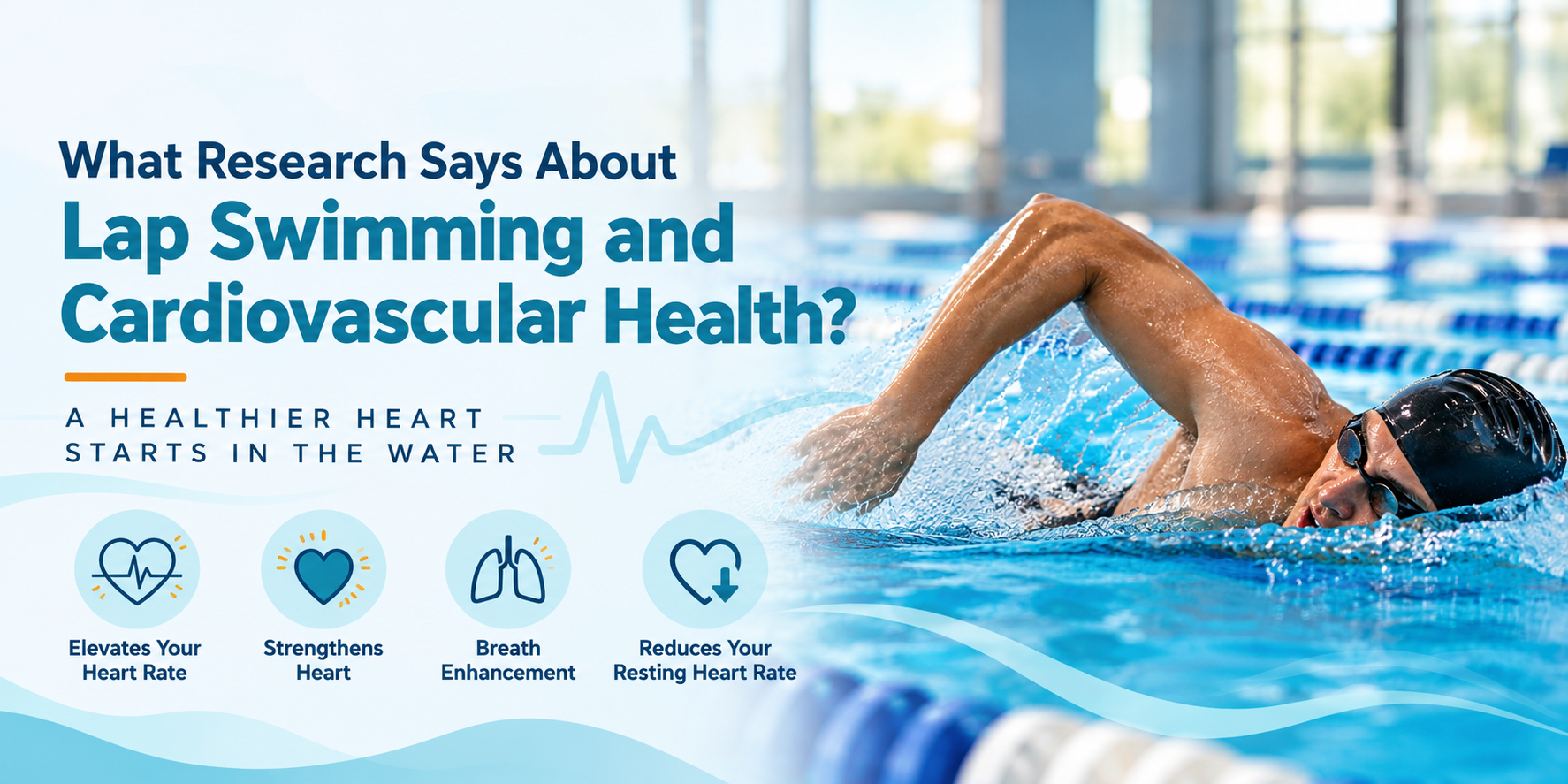
It is well known that doctors and physical trainers say that lap swimming is one of the best types of exercise for the heart. Many scientific studies have also proved this. Swim a lot, and it will greatly improve your heart rate, blood pressure and endurance.
Lap swimming is much easier on the joints than running and other impact exercises. At Saguaro Aquatics, we have experienced instructors and lifeguards who will teach you to swim lane etiquette properly and develop an effective training regimen.
We’ll be talking about research on this today on our blog and giving you some tips to get you started.
Table of Contents
- How does lap swimming affect heart rate and cardiovascular endurance?
- Can regular lap swimming lower blood pressure over time?
- How soon can someone expect to see cardiovascular improvements from lap swimming?
How does lap swimming affect heart rate and cardiovascular endurance?
Without wasting time, let’s go directly to the answer on how lap swimming can really be helpful for your cardiovascular health. Also, if you are searching for lap swimming near me, then you must consider Sagaro Aquatics for that.
Elevates Your Heart Rate
The heart rate is increased for a longer period of time with lap swimming than with running. But the process is relatively easy and strengthens the heart since water keeps you afloat.
Strengthens Heart
When you swim, you’re working your heart harder to pump blood around your body. It grows bigger and stronger with time and hence becomes more efficient in executing its functions.
Breath Enhancement
When you learn to swim laps, you learn how to breathe rhythmically so you use the air that is available to your lungs in the most efficient way possible. Over time, you will not feel so tired, and you will move more easily in daily life.
Reduces Your Resting Heart Rate
If you go swimming a lot, your resting heart rate will be lower. This is a good thing as it means your heart does not have to work as hard at rest.
Can regular lap swimming lower blood pressure over time?
Indeed. Regular lap swimming tends to lower blood pressure over the long term. Studies show that swimming is a great choice for cardiovascular exercise. Swimming is less intensive than running and less stressful on the body.
At the same time, regular swimming leads to relaxation of blood vessels and increased blood flow, which helps the heart work.
Research findings suggest that if a person swims two or three times per week, he/she will be able to notice positive changes in terms of his/her blood pressure after several weeks or even months of training.
Swimming is also relaxing and helps to get rid of stress, which is another cause of high blood pressure. Swimming should be part of a larger healthy lifestyle that includes good nutrition and enough sleep. If you have hypertension or any heart disease, you should consult your physician before starting swimming exercises.
How soon can someone expect to see cardiovascular improvements from lap swimming?
Most people will see a big difference in heart condition after swimming laps two or three days a week for four to six weeks. In the first few weeks of training, you will be less tired, so you will be able to swim for longer without having to stop and take a deep breath.
You will begin to see physical changes, such as a lower heart rate and normal blood pressure levels, within six to eight weeks.
After about three months of continuous lap swimming, most people will start to see positive results in terms of good health. Good changes like more stamina, better breathing, and a healthier heart. The rate of these changes depends on general fitness and how often one swims.
Start Your Lap Swimming Lessons
Swimming laps is excellent exercise for your cardiovascular system. It may reduce blood pressure, increase stamina and be gentle on your joints. Whether you are just starting out or an old pro at swimming, consistency is what will make the difference.
Want to get wet? Join Saguaro Aquatics for lap swimming in our warm saltwater pools supervised by lifeguards. Email us at swim@saguaroaquatics.com or give us a call at (520) 638-8040.
FAQs
How long will it take me to get the cardiovascular benefits of swimming?
For most people, there are small benefits in 4 to 6 weeks. You’ll typically see major results like a lower resting heart rate in 2-3 months.
Which is better for the cardiovascular system, running or lap swimming?
Both are great cardio workouts. Lap swimming is less stressful on your joints, so it’s perfect for people who want to work their cardiovascular system without overexerting their bodies.
Can I do lap swimming with high blood pressure?
Most of the time, yes. But that would depend upon your health. This is the most appropriate thing to do before you begin, especially if you suffer from high blood pressure or cardiac problems.