There comes a time when swim lessons stop being enough. Your child can float, kick, and swim short distances, but it still feels like something is missing. They are safe in the water but not fully skilled yet. Confident some days, unsure other days. A Mini Swim Team is the next step. It helps kids focus on practice, technique, and understanding swimming in a supportive team environment without any pressure to race.
The Stage Most Parents Do Not Realize Exists
Swim lessons focus on safety first. That foundation matters. Once a child can swim independently, lessons often slow down. The progress becomes subtle, and sessions feel repetitive. That’s when parents start asking, what is a Mini Swim Team, and how is it different from swim lessons?
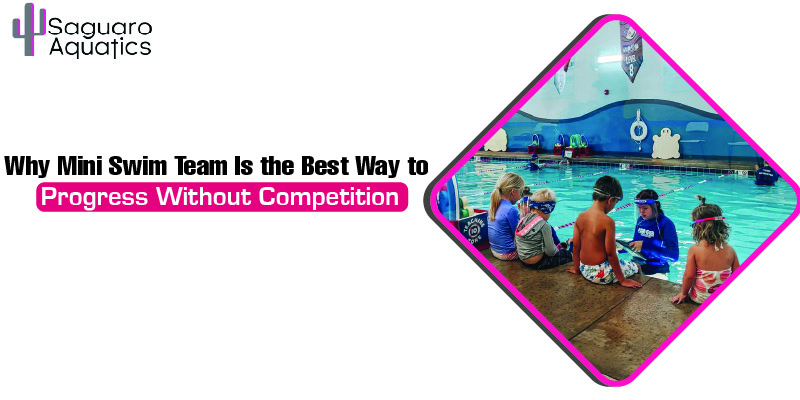
The biggest difference is structure. A Mini Swim Team introduces swimmers to regular practices, longer time in the water, and learning alongside peers. Swim lessons are about learning skills. A Mini Swim Team is about practicing them until they stick. Children start to understand pacing, breathing, technique, and endurance without being rushed toward performance.
When Kids Are Ready for More, Just Not Competition
Parents often worry that anything called a team comes with pressure. That concern is completely understandable. Not every child thrives in a competitive setting. Confidence, focus, and emotional readiness take time to develop. That brings up a common question: Is Mini Swim Team good for kids not ready for competitive swim team?
For many children, the answer is yes. A Mini Swim Team lets them enjoy the energy of being part of a team without the expectation to race, win, or compare themselves to others. Progress is measured in consistency, comfort, and steady improvement instead of times or rankings.
Age Matters, but Readiness Matters More
So, what age is best for joining a Mini Swim Team? While age can give you a rough idea, what matters most is whether your child is ready.
Some catch on quickly because they can follow directions, stick to routines, and swim on their own. Others might need a little extra time to feel confident in the water. A Mini Swim Team works best when children can swim the basic strokes and are ready, both emotionally and physically, to join group practices. This flexibility makes the transition feel natural instead of forced.
Check Out: How Swimming Helps Children with Disabilities Thrive in Tucson
What Swimmers Actually Work on in a Mini Swim Team
A Mini Swim Team is where kids start putting it all together. Instead of jumping to something new every week, they get to practice the basics and really refine their skills. Over time, those small improvements add up and build real confidence.
Here’s what most kids focus on during practice:
- Practicing strokes regularly so they feel more natural
- Swimming slightly longer distances each session to build endurance
- Learning how to swim at a steady pace so they don’t get worn out
- Becoming at ease swimming alongside other kids in the lane
The Question Parents Worry About but Rarely Ask Out Loud
Many parents wonder, does Mini Swim Team require competition or swim meets? For most kids, that is not the case. The focus stays on learning skills, practicing strokes, and building confidence. There’s no pressure to race or perform, and nothing to make young swimmers feel overwhelmed. This lets them focus on themselves and notice their improvements in the water.
How Structure Builds Confidence Over Time
One of the biggest changes parents notice is consistency. Children attend regular practices, see familiar faces, and work with the same coaches. This predictability builds trust. Trust leads to confidence.
Over time, swimmers learn how to:
- Follow a structured workout
- Listen and respond in a busy pool environment
- Stay focused for longer periods
- Take responsibility for their own progress
These are not just swim skills. They are life skills that show up outside the pool as well.
How Does Mini Swim Team Prepare Swimmers for a Full Swim Team
Eventually, some swimmers decide they want more. Others are simply better prepared when the time comes.
The preparation happens quietly. Swimmers become familiar with longer practices, lane etiquette, stroke refinement, and group training dynamics. They get used to routines and effort in a simple way. Competing later feels normal because they are ready for it.
Others may choose to stay non-competitive and continue swimming for fitness and confidence. Both paths are valid.
Why Progress Without Competition Actually Works
Without races or rankings, swimmers begin to notice different markers of growth. Breathing feels easier. Strokes feel smoother. Endurance improves. Confidence rises. These changes may not happen overnight, but they are lasting.
This is usually when parents say their child stops “just taking lessons” and starts swimming with confidence.
Final Thoughts
Think of a Mini Swim Team as a place where kids can focus on themselves, not medals or meet schedules. It’s where kids build confidence, improve their strokes, and swimming just starts to click. When progress happens without competition, the results last a lifetime.
If you want a supportive next step that goes beyond basic water safety while keeping swimming fun, a Mini Swim Team is a perfect fit. Joining the Mini Swim Team at Saguaro Aquatics is a simple way to help your child take the next step in their swimming journey.
Frequently Asked Questions
- Who is the Mini Swim Team program best suited for?
Mini Swim Team is perfect for swimmers who have completed basic lessons and want to improve skills in a team setting without competition.
- Does Mini Swim Team involve swim meets or racing?
No, Mini Swim Team focuses on skill development, endurance, and confidence without the pressure of competitive swim meets.
- How does Mini Swim Team help swimmers progress after lessons?
Mini Swim Team builds technique, stamina, and consistency through structured practices that go beyond traditional swim lessons.